
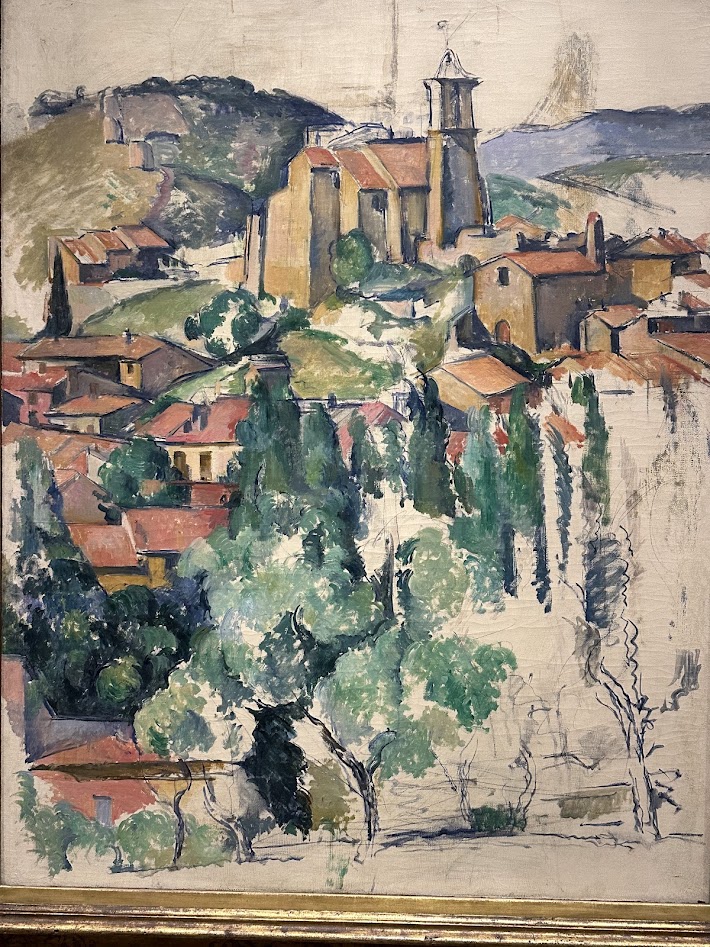
This past Christmas season, my mom and I traveled to Columbia South Carolina for a magnificent art exhibition hosted by The Columbia Museum of Art.
The ‘French Moderns – Monet to Matisse’ exhibition is a captivating journey through a century of artistic revolution. Featuring 59 masterpieces from the Brooklyn Museum of Art, it showcases the birth and evolution of iconic movements like Impressionism, Post-Impressionism, and Surrealism. Witness how French art mirrored the turbulent social and political upheavals of the era, from the French Revolution of 1848 to the aftermath of World War II.
This exhibit has been traveling across the United States for around two years, and features treasures of Impressionism to Modern Art from the renowned Brooklyn Museum of Art. I was thrilled when I saw that it was coming to Columbia, a three and half hour drive from my base of Raleigh NC. Without hesitation, my mom and I packed an overnight bag and took a weekend trip to Columbia.
Visiting Columbia:
As the capital city of South Carolina, Columbia offers visitors fun opportunities to explore culture, history and natural beauty. Columbia is home to multiple museums including the State History Museum and The Columbia Museum of Art (both located in the downtown districts).
The Columbia Museum of Art features an outstanding permanent collection from donors like the Kress Collection. The museum’s permanent highlights include works by Botticelli (his own fresco outside of Italy), Monet, Robert Henri, Thomas Moran and so much more. In addition to their permanent collection, CMA routinely hosts world class exhibits like French Moderns. If you are within driving distance, make sure to follow them online and keep a look out for upcoming events.
Other favorite spots in Columbia include the Riverbanks Zoo and Gardens. This zootastic spot features amazing animals like Tigers and Kangaroos. Its scenic location on the banks of the Saluda River is breathtaking. On this trip we had the pleasure of visiting the zoo for their holiday lights. Dozens of Chinese style lanterns lit up the Zoo at night. Zoo Website
Columbia is also a basecamp for Congaree National Park, an example of a bottomland wetland forest ecosystem. Congaree has some of the tallest trees on the east coast. I highly recommend visiting Congaree in the fall/winter when the mosquitoes are not active!
Plan your visit to Columbia here.
The Exhibit:
The theme of this exhibit was tied to revolutionary changes in French Art, which led to our Modern Art movements. The 100 years in French history between 1850 to 1950 were tumultuous political and culturally. Many Impressionist painters featured in the exhibit like Renoir and Monet were deeply affected by the 1870-71 Franco Prussian War. Paris was invaded and the French ended up losing key territories in their defeat. Monet actually moved to England during the war, which influenced works like his series on The Houses of Parliament. Burgeoning talent Frederic Bazille died tragically in the war…Monet and others were deeply affected by the loss of their friend.
These political issues along with changes from industrialization and societal shifts created a ground for artistic changes. The old stalwart state sponsored Academie was not open to newer styles like Realism and Impressionism. Artists like Monet, Renoir, Pissarro and Cezanne charted their own paths, which opened doors to other artists to create movements in art like Picasso and Matisse.
In the 1850s, especially with increased industrialization, there was a movement towards naturalism and realism. Realism wanted to focus on subjects from everyday life and highlighting the daily lives of working classes. This movement’s influence is seen in several paintings from this exhibit including works by Jean Francois Millet and Jules Breton.
Impressionism took the foundation of Realism and expanded it to show the ‘impression’ of a scene – not as a perfectly realistic depiction but rather the essence of the moment. While a Monet might be photographic realism, his use of color and light and brushwork feel as though you are in a real space in nature. The way the light plays off the fields or the water. Impressionism was like poetry on a canvas.
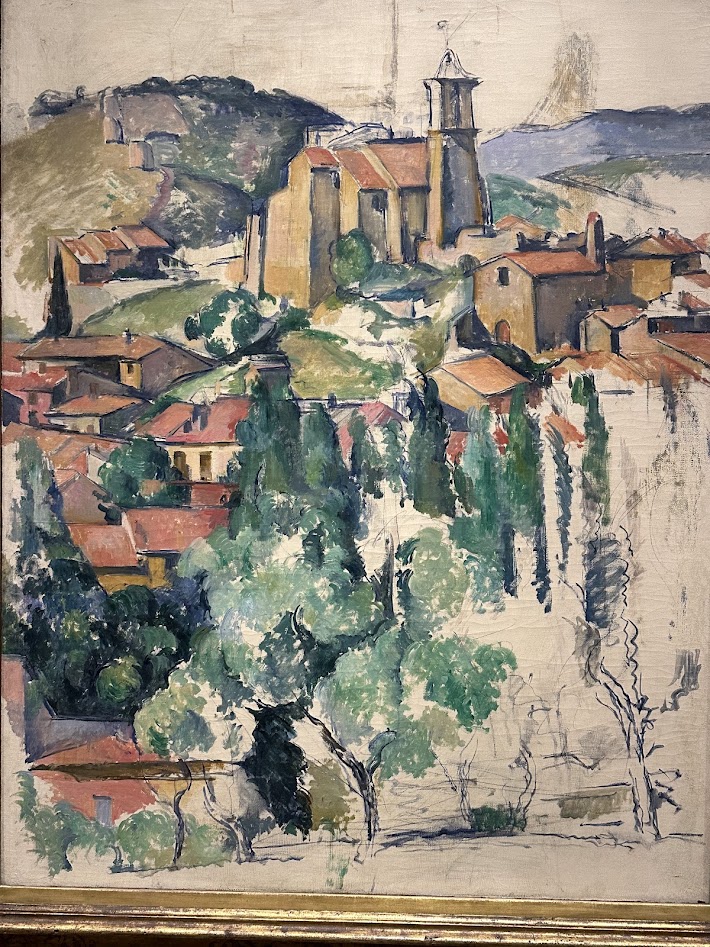
This exhibit features a unique piece by one of my favorite artists, Paul Cezanne. Cezanne is known as ‘The Founder of Modern Art’ and the Post-Impressionism movement. While he was featured in several of the Impressionist exhibitions (1874), his use of shapes to depict space directly influenced Pablo Picasso and his Cubist style.
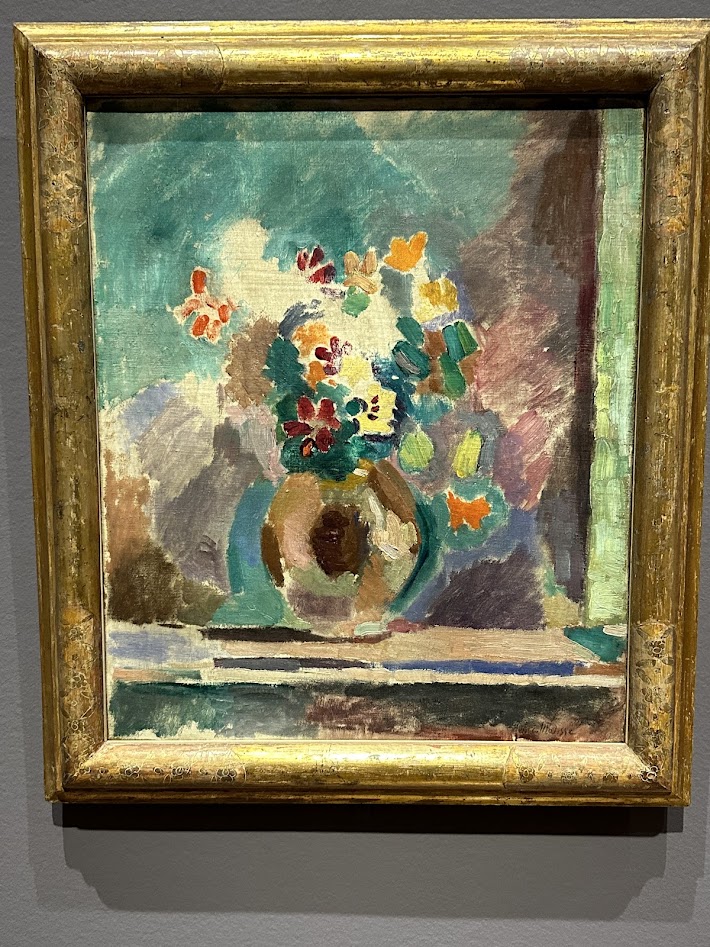
Matisse was not a fan of Cubism, but instead charted his own post-Impressionism style with Fauvism. Named for wild beasts, Fauvism incorporates vibrant colors and dramatic energetic brushwork.
Exhibit Highlights:
You’d be hard pressed to find a better collection of French Moderns than this curated exhibit. The exhibit includes a number of artists from a variety of modern styles, allowing you to witness the movements in art from more direct subject representation to abstract styles associated with later modern art movements.
Artists featured:
Master School – the older established style that continued to find popularity, especially in Ecole des Beaux Arts: Jean-Leon Gerome, William Bougerau
Realism: Courbet, Corot, Frere, Jules Breton, Latour, Boudin
*Fun fact, Boudin mentored Monet and helped inspire Monet to start painting outside (in plein air)
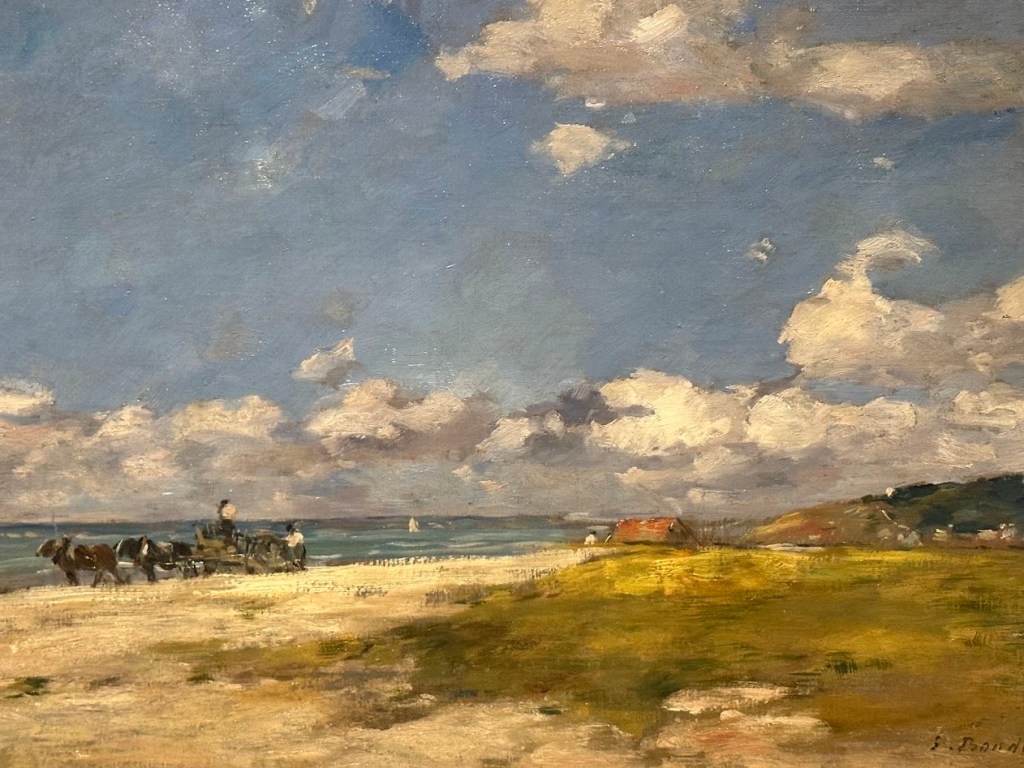
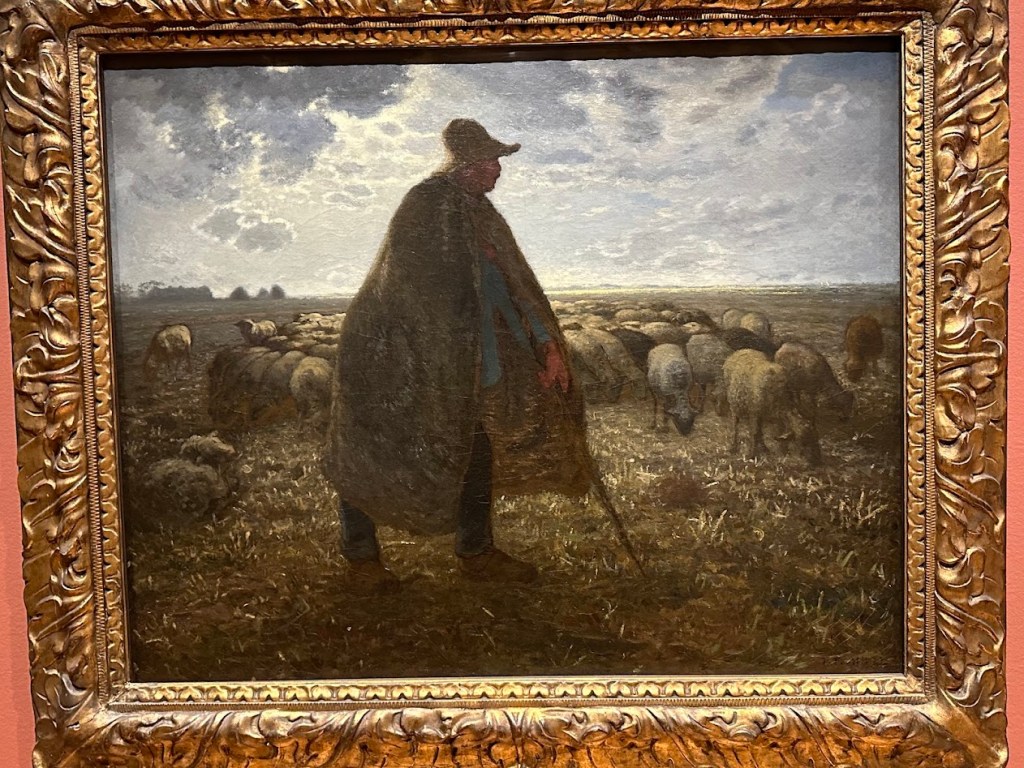
Portraitist: Giovanni Boldini (I didn’t catch a photo of his work), but Boldini was known as the ‘Italian Sargent.’
Impressionism: Monet, Renoir, Pissarro, Sisley, Caillebotte, Degas, Morisot, Delaunay, Lemmen (Neo-Impressionism)


Post-Impressionism: Cezanne (also grouped with Impressionists, but his unique style laid foundation for Post Impressionism), Augustus John, Marc Chagall*
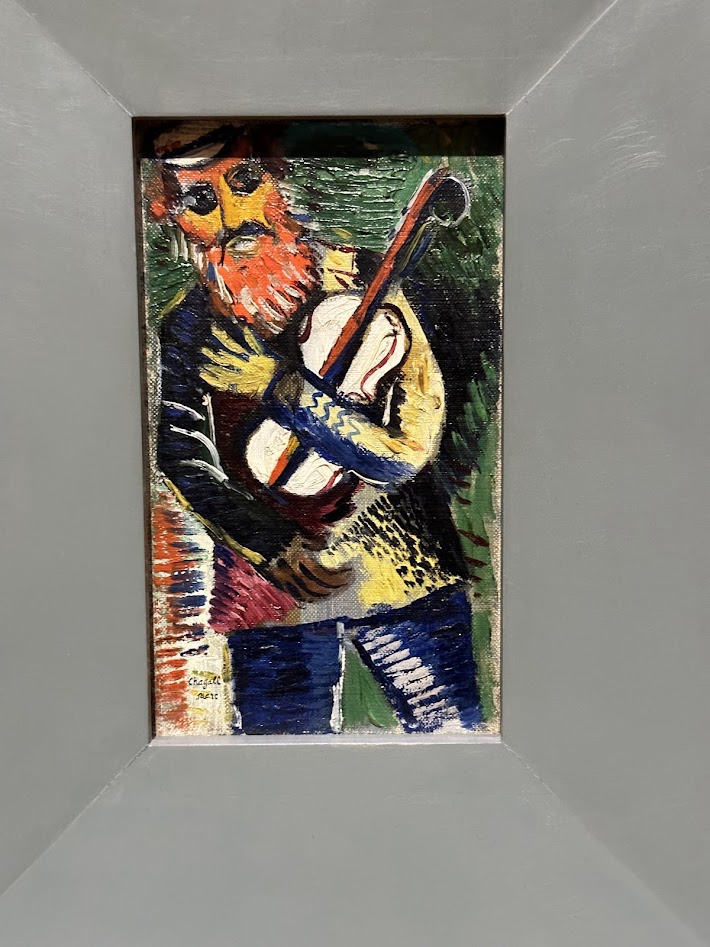
*Chagall dabbled in several styles of Post Impressionism including Fauvism, Nabis, Fauvism and his own unique style.
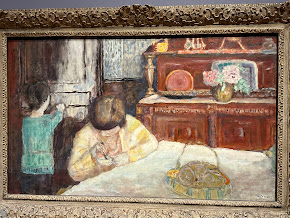
Nabis: A group of post-Impressionist French painters active 1888-1900, whose work is characterized by flat patches of color, bold contours and simplified drawing as a way to explore spiritual and mystical questions. Les Nabis artists featured in this exhibit: Ronai (He helped introduce modern art movement to Hungary), Bonnard, Vuillard
Fauvism: A movement that incorporates vibrant colors and dramatic energetic brushwork. Artists featured: Raoul Dufy, Matisse, Andre Derain

Cubism: Art that attempts to show multiple vantage points in one image, usually resulting in works that seem fragmented or broken up. Examples in exhibit: Villon, Leger
German Expressionism: Gabrielle Munter
Sculpture: Rodin, Degas
The exhibit is heading to Vero Beach in Florida on February 1st. For details about upcoming exhibition stops click here.
To learn more about The Brooklyn Museum of Art click here.
Don’t forget to SUBSCRIBE for more Art Expeditions posts. We are also on Facebook
 Art Expeditions
[…] After breakfast at the Hampton Inn – Historic District, my mom and I headed to The Columbia Museum of Art. You can read more about my art adventure at The CMA on our sister blog ‘Art Expeditions.’ […]
LikeLike