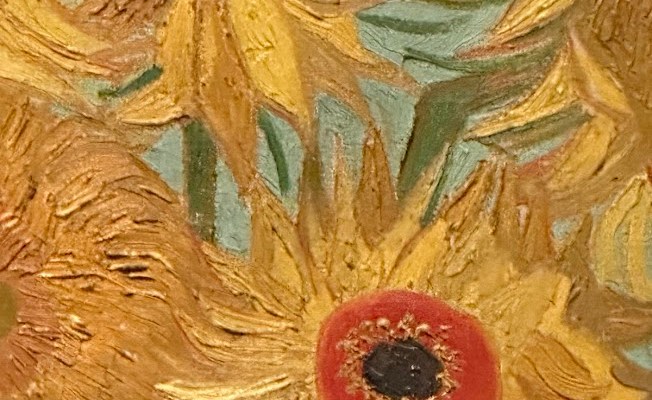

Get ready! Art Expeditions is launching a focus series on Art in Philadelphia, exploring the treasures of two of the city’s iconic museums – The Barnes Foundation and the Philadelphia Museum of Art. I’m excited to dive into artistic collection highlights from my visits to these wonderful institutions, which boast masterworks ranging from Duccio and Titian to Renoir, Cezanne, Picasso, and beyond.
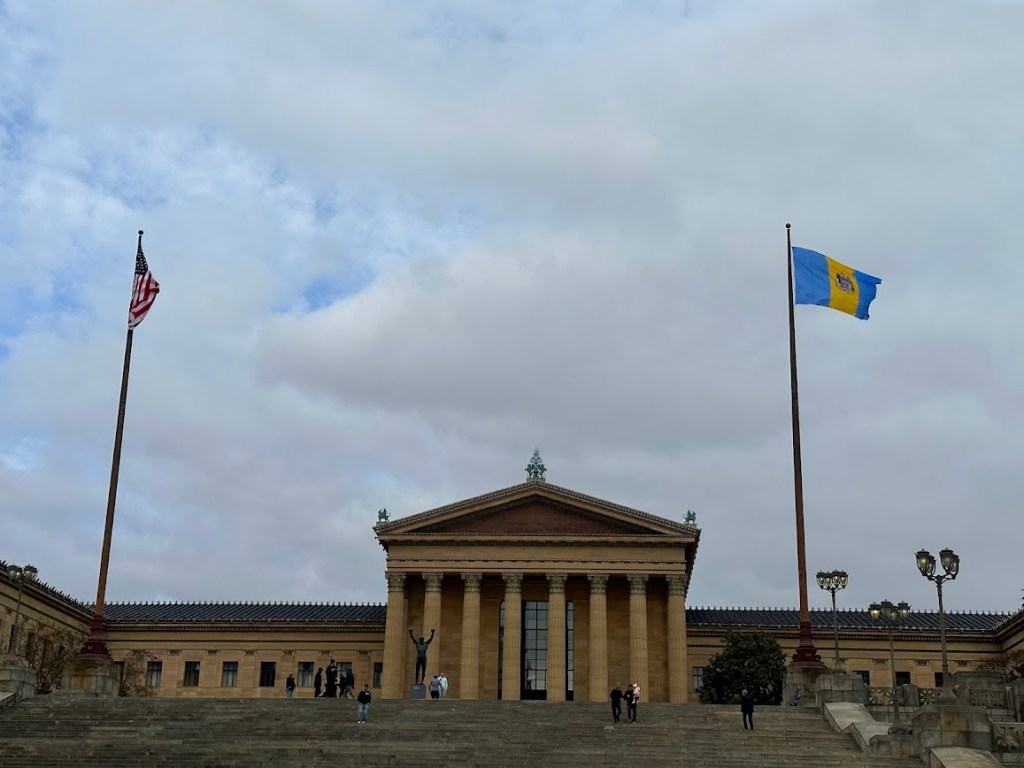
Getting to know The Philadelphia Museum of Art
The Philadelphia Museum of Art takes you an artistic journey through over 2000 years of art history in over 200 galleries; from ancient Asia to Medieval and Renaissance Europe, the Impressionist movement to Modern Art – they have it all.
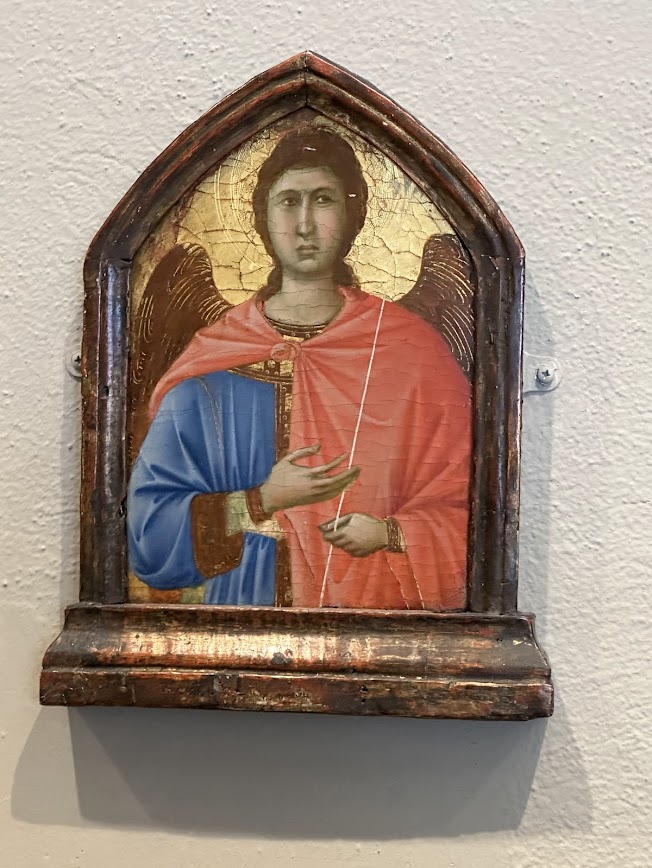
Medieval highlights include a piece from Duccio’s Maesta. Duccio was a Sienese artist who was a proto-Renaissance painter and is considered the father of Sienese art. You can also meander through a reconstructed French Gothic Chapel…
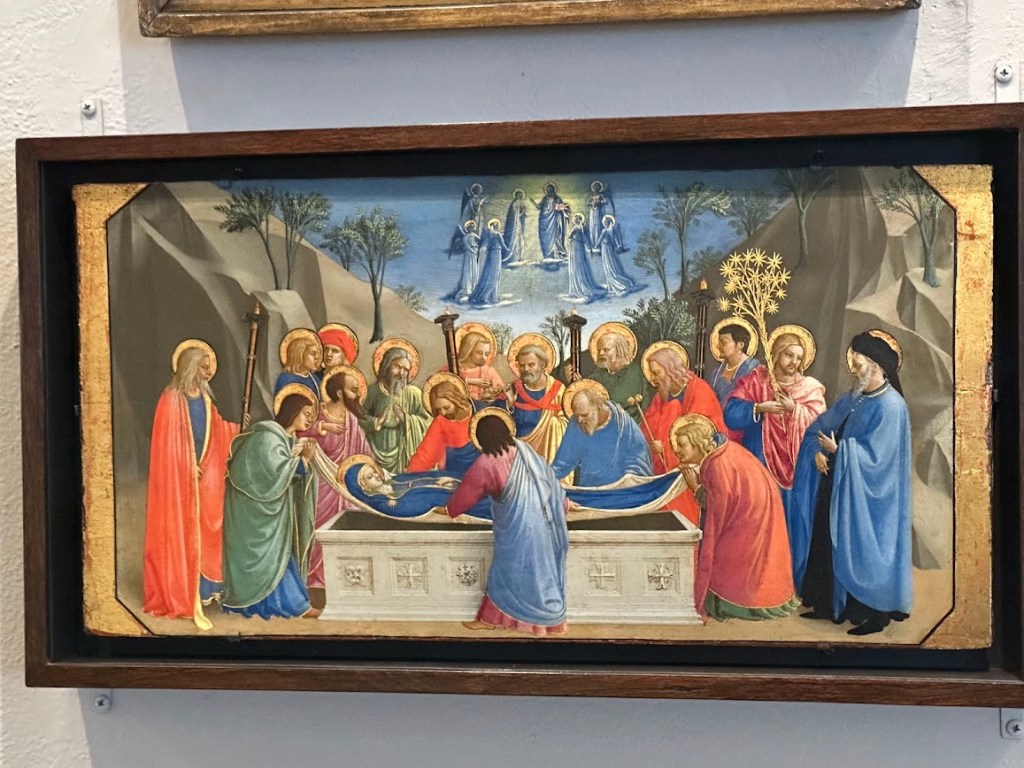
The Renaissance collection is fantastic… from Masaccio to Fra Angelico you will be transported back to 15th century Florence and beyond.
Lovers of French Modern Art from 1850 to 1950 will rejoice as you can wander through room after room of Manet to Monet, Renoir to Cezanne, Van Gogh to Picasso; Bonnard to Matisse…they also have a painting by none other than Sir Winston Churchill himself.

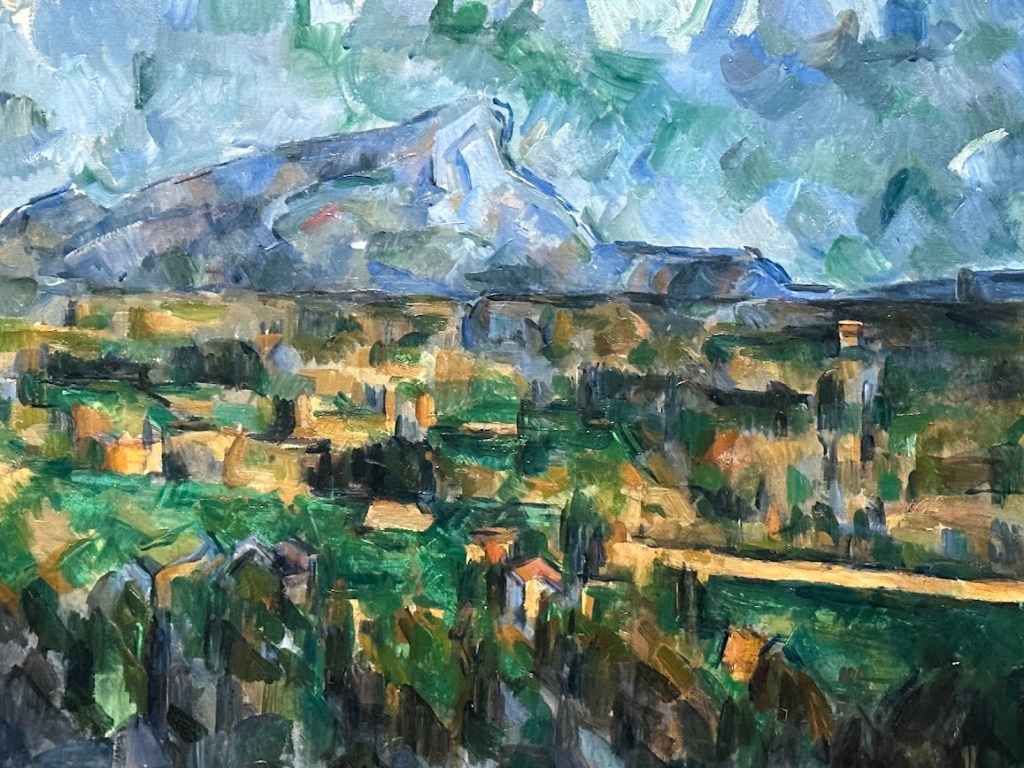


The early American art from Philadelphia held a particular fascination for me, especially Charles Willson Peale’s captivating Staircase series. The Peales were truly a remarkable dynasty of Philadelphia painters, and their portraits of figures ranging from George Washington to Meriwether Lewis have become iconic representations of their time.

Plan your trip to Philadelphia Museum of Art – Official Website (ticket also includes admission to The Rodin Museum)
Getting to know The Barnes Foundation:
Founded in 1922 by the fascinating Dr. Albert C. Barnes, a chemist who remarkably made his fortune through his Argyol eye drops, the foundation embodies his unique vision. Barnes didn’t just want to display art; he passionately sought to create a space where people from all backgrounds could learn to truly see and experience art in new and imaginative ways. His commitment to accessible art education is as inspiring as the masterpieces adorning the walls.
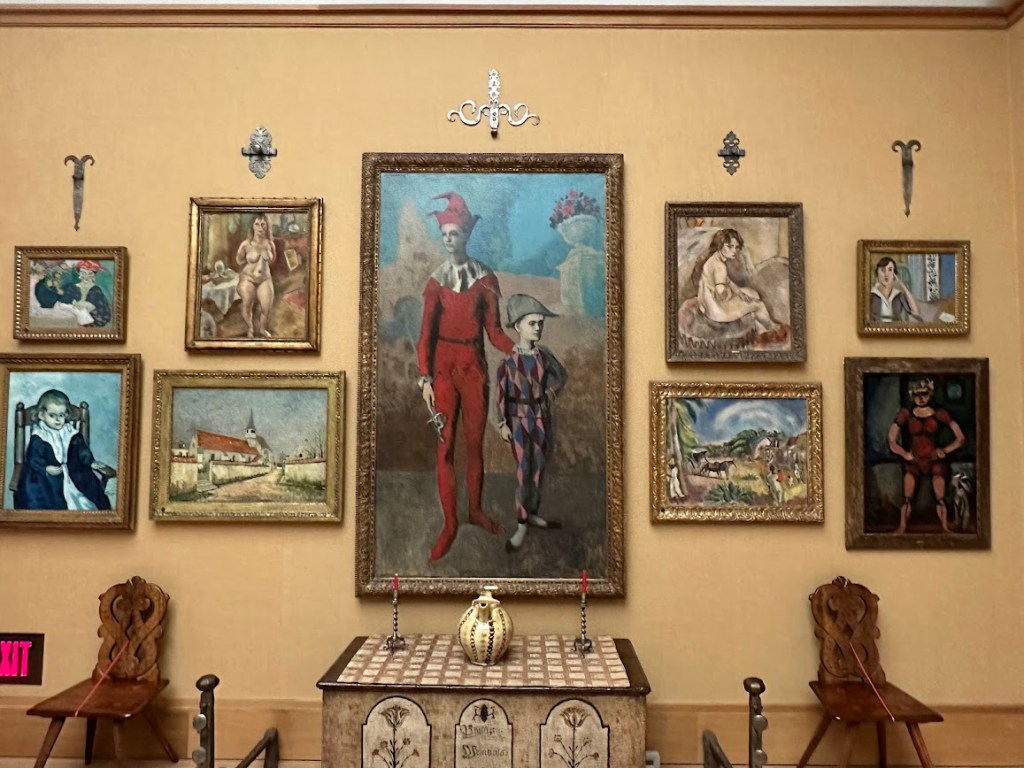
Inspired by his friend, educator and philosopher John Dewey, Barnes created a method to help students to interact with art. Part of this method emphasized an approach called The Plastics (and no, we don’t mean straws!). The term “plastic” refers to a substance that can be shaped or molded. While the creativity and interpretation of art are certainly pliable in this sense, The Plastics method focuses on four fundamental elements common across all artistic styles: line, color, light, and space. When you look at art through the lens of The Plastics, you can identify these shared elements and meditate on their use across different art movements. For example: The Museum’s painting by Venetian master Titian will look completely different from a Cubist Picasso, yet both artists utilize line, color, light, and space.
While visiting The Barnes Foundation, I experienced firsthand how teachers guide visitors through The Barnes Method. This method proved incredibly useful in allowing me to detach from my immediate reactions and biases when viewing art. We all connect with different artistic styles on a personal level – for instance, my appreciation for Cubism might contrast sharply with another’s feeling of it being disjointed. However, The Barnes Method provides a framework for approaching each artwork anew. While knowledge of an artist’s intent can be informative, this method emphasizes a direct engagement with the artwork’s form, encouraging us to move beyond our pre-existing ideas.

Quick Facts about The Barnes:
- Barnes’s favorite artist was Renoir. The Barnes has 181 works by Renoir – more than any other art museum in the world! He particularly enjoyed his later work, which is more fluid. Renoir suffered health issues (poor vision and arthritis) yet he continued to paint and interestingly enough it is the later Renoir’s which have a vivid mix of color and blurry feel that Barnes was drawn too.

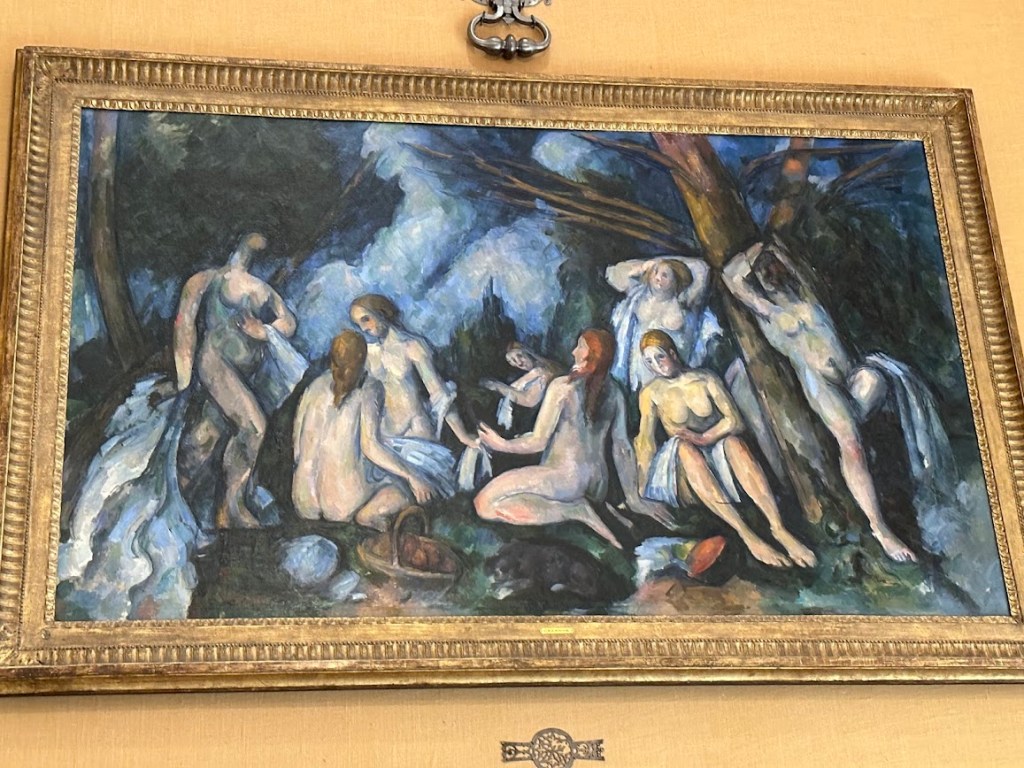
- Cézanne was another of Barnes’s favorites. The Foundation boasts an unparalleled 69 works by Cézanne – the largest collection anywhere – featuring iconic pieces like The Card Players and a version of The Bathers.
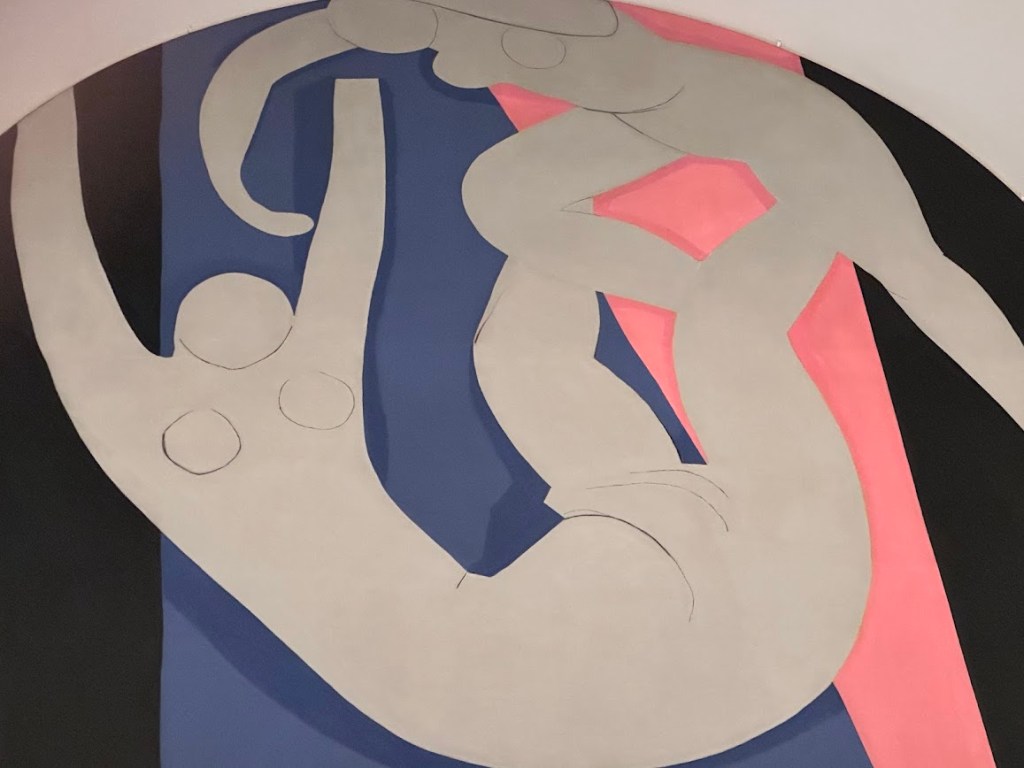
- Henri Matisse was a friend of Dr. Barnes and in 1930 visited The Barnes Foundation, where he painted his iconic ‘The Dance,’ which you can see at The Foundation today.
- In addition to a who’s who of modern art, The Barnes is also home to important works by Renaissance masters like Giorgione, Titian and El Greco.
- Art and Controversy: It was originally in Merion PA, but moved to its current location on The Benjamin Franklin Parkway in 2012. There was a lot of controversy surrounding this move, which was the subject of the 2012 documentary ‘The Art of The Steal.’ The Barnes Foundation is an almost exact replica of the original building and the art is hung exactly as Dr. Barnes had it hung in Merion.
For a deeper dive into the history of the Barnes Foundation and a tour overview, be sure to check out my previous post on our sister site American Nomad Traveler. You can read the post here.
Plan your trip to The Barnes via their official website
Don’t forget to subscribe to join our latest Art Expeditions adventures. I look forward to journeying with you through the art of The Philadelphia Museum of Art and Barnes Foundation soon.
Keep up with the latest art expeditions news and posts on our Facebook page: https://www.facebook.com/artexpeditiontours
Art Expeditions is written by art history buff Adele Lassiter. In addition to Art Expeditions, Adele also runs American Nomad – a travel blog. She is also a singer-songwriter, whose debut Americana album ‘American Nomad’ debuted on the Americana Music Charts.
 Art Expeditions