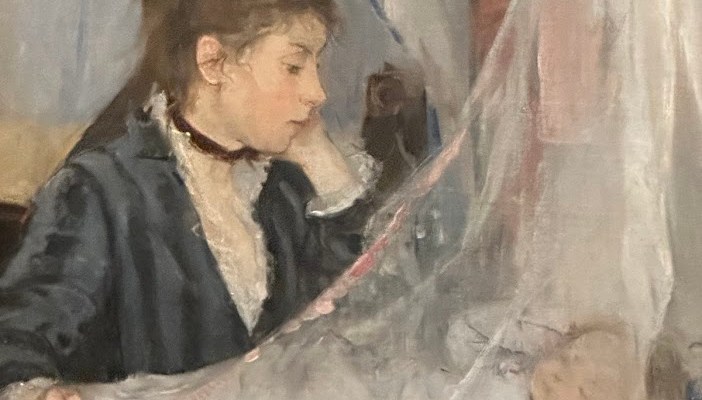
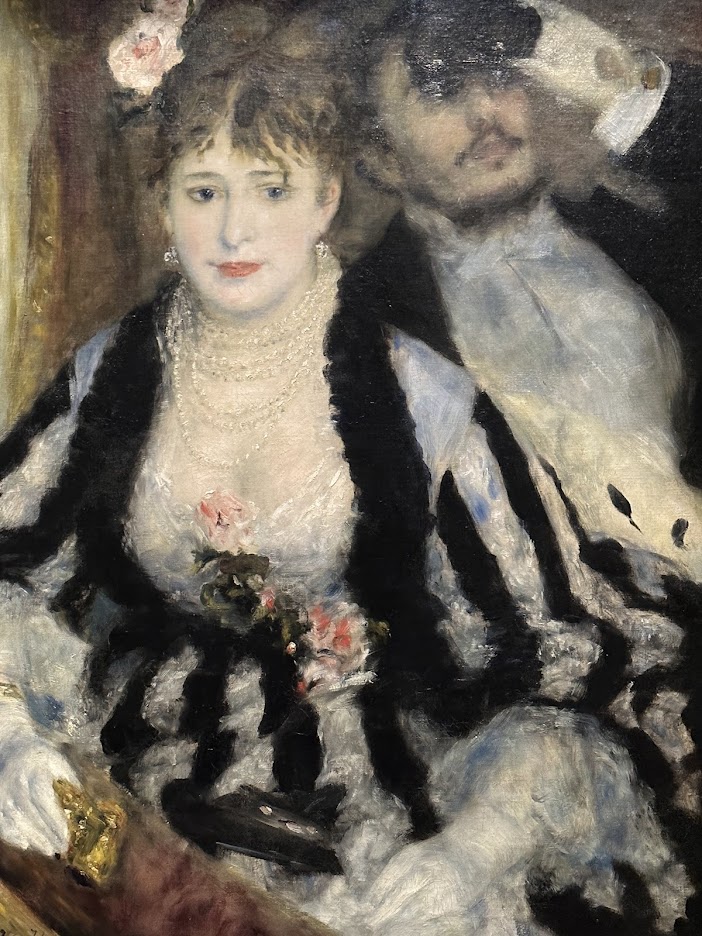
Paris 1874: The Impressionist Moment
My mom and I kicked off 2025 with a trip to Washington DC’s National Gallery for the phenomenal exhibit – Paris 1874: The Impressionist Moment. Located in the heart of the National Mall in DC, The National Gallery is home to one of the finest collections of art in the world. We were thrilled to make this ‘Art Expedition’ and travel back to 1874 and the Birth of Impressionism
The Exhibition:
This landmark exhibit commemorates the 1874 Impressionist exhibition, a pivotal moment when artists like Monet, Morisot, Cezanne, Renoir, and Pissarro challenged traditional art and paved the way for modern art. “Hungry for independence,” artists who had been constrained by the conservative rules of the Paris Salon, broke free and decided to hold their own independent exhibition, outside of official channels.
On April 15, 1874, a diverse group of 30 artists opened their show: The Société Anonyme des Artistes Peintres, Sculpteurs, Graveurs…. This exhibit is now referred to as the First Impressionist Exhibition. It has become one of the most important art exhibitions in history as it launched Impressionism and French Modern art movements for years to come.
This exhibit, a collaboration with multiple art museums from around the world, reunites 130 artworks that were featured in the exhibition of 1874. Many of these works are from the collections of the Musee d’Orsay in Paris and The National Gallery. Visitors are transported back to 1874 Paris, where you can imagine you are touring the The Société Anonyme and witnessing Impressionist styles for the first time. The exhibit not only showcases Impressionist masterpieces but also includes key works from the 1874 Salon, offering a fascinating glimpse into the artistic tensions and debates of that era.
Birth of Impressionism?
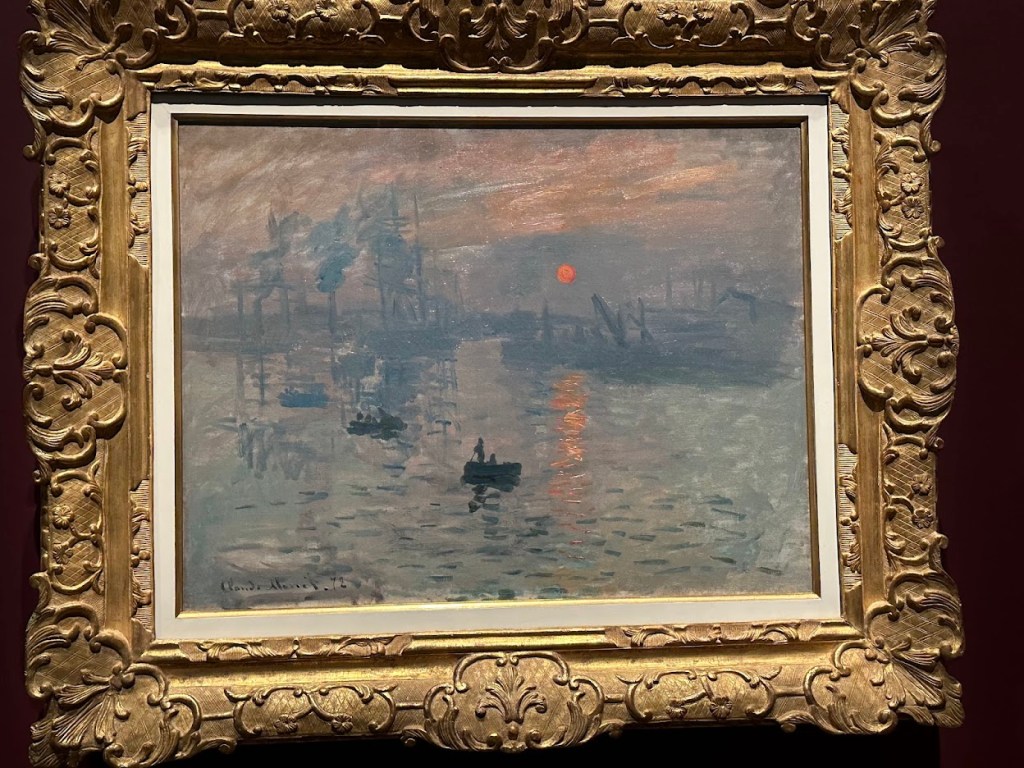
While artists like Monet and Pissarro were already experimenting and painting in what we know as the Impressionist style, the term Impressionism was not coined until the 1874 Exhibition. Funny enough, the term ‘Impressionism’ was meant to be a derogatory snub against the movement by an established art critic, Louis Leroy.
When Leroy saw Claude Monet’s Impression Sunrise he was disgusted and quickly made fun of the loose painting style of this now famous work. He satirically wrote in his review: Impression – I was certain of it. I was just telling myself that, since I was impressed, there had to be some impression in it…and what freedom, what ease of workmanship! Wallpaper in its embryonic state is more finished than that seascape.”
Ironically, the review had the opposite effect as members of the movement took on the mantle of ‘Impressionists.’
This exhibition featured the original ‘Impressionist’ painting. Impression, Sunrise by Monet.
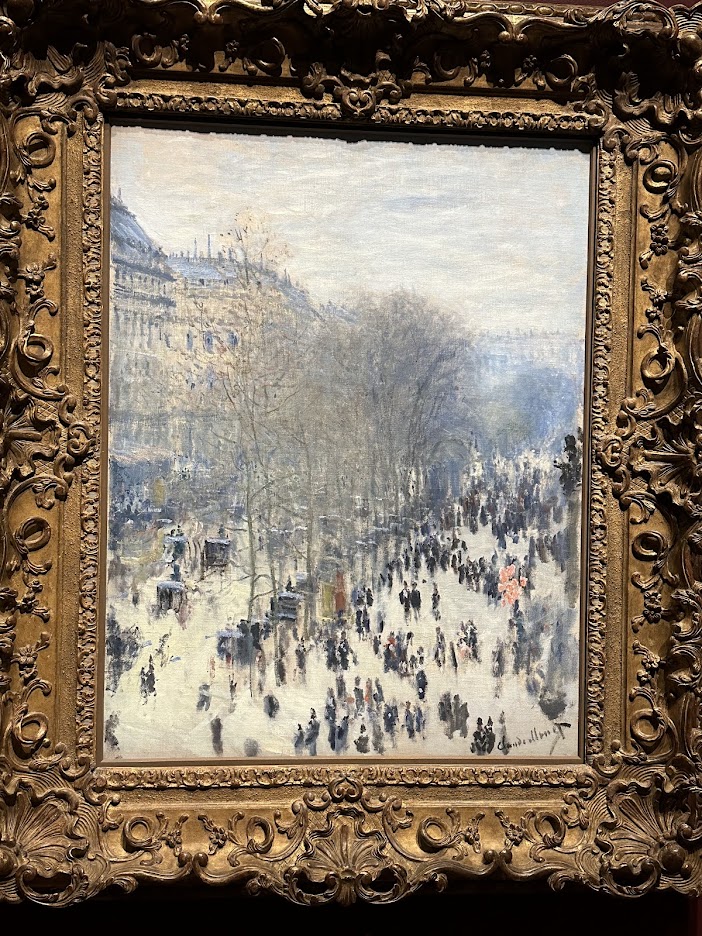
Entering the exhibit, visitors are introduced to the history leading up to 1874 and the sense of empowerment to break away from the Salon.
Monet and his fellow artists had contemplated a breakaway exhibition from the Salon as early as the late 1860s, after they increasingly found their works shut out. Getting into the Salon was critical for artists as it provided legitimacy to patrons to commission and purchase their work. If you were not in the Salon it became harder and harder to make a living with your art. While many of the Impressionists initially tried to please the Salon by conforming their styles to their specific rules, it was stifling. Even though Monet and Renoir had the talent to conform they did not want to.
One of the artists who was pushing their own exhibition was Fredric Bazille, a talented painter, who sadly perished in the Franco-Prussian War, which erupted in 1870.
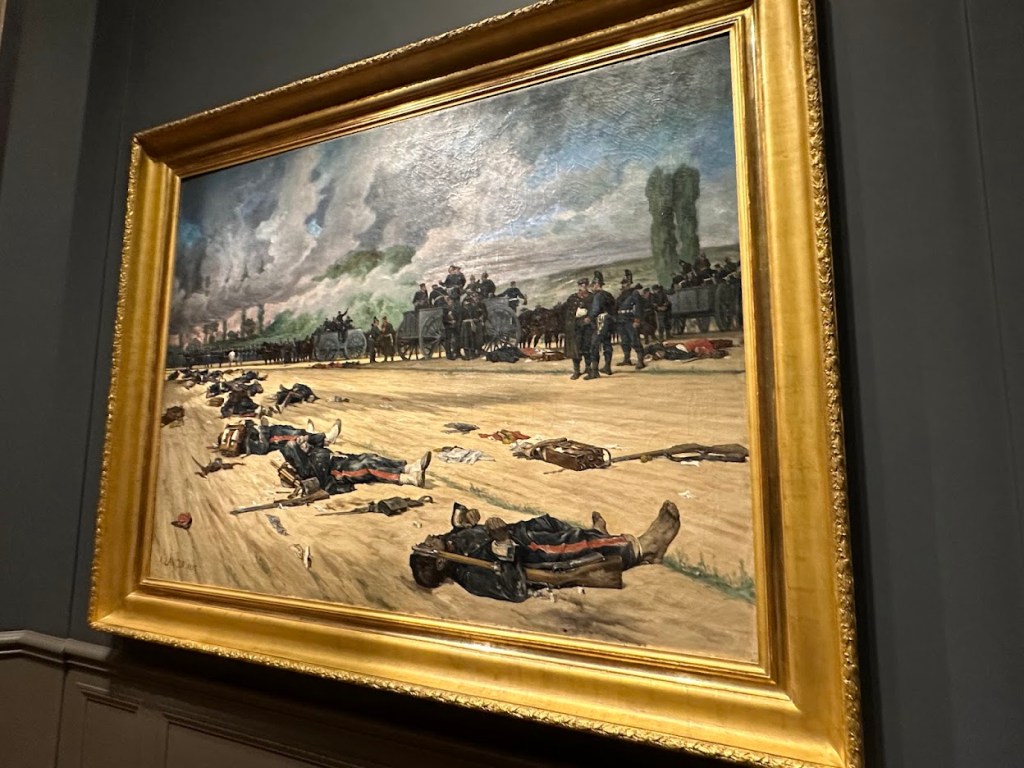
The war was supposed to be an easy win for France, but instead they suffered a humiliating defeat, which Paris fell in 1871. This led to anarchy and terror in France in the midst of the war. Monet and Pissarro evacuated to London during this time, where they were introduced to the works of Turner, who inspired their own movement towards Impressionism.
After France surrendered, the National Guard and working-class revolutionaries in Paris seized control of the city. They formed the short-lived Paris Commune, an independent socialist government. When the French army tried to retake the city two months later, a brutal civil war erupted. 15,000-20,000 members of the Commune were slain and many parts of Paris laid in ashes.
This shock and trauma no doubt influenced all of Parisian artists, some who wanted to move forward with new art movements and others who clung more tightly to the established art expectations of the Salon. It was in this atmosphere in 1874 that Impressionism took its stand.
The Salon – Old World Establishment
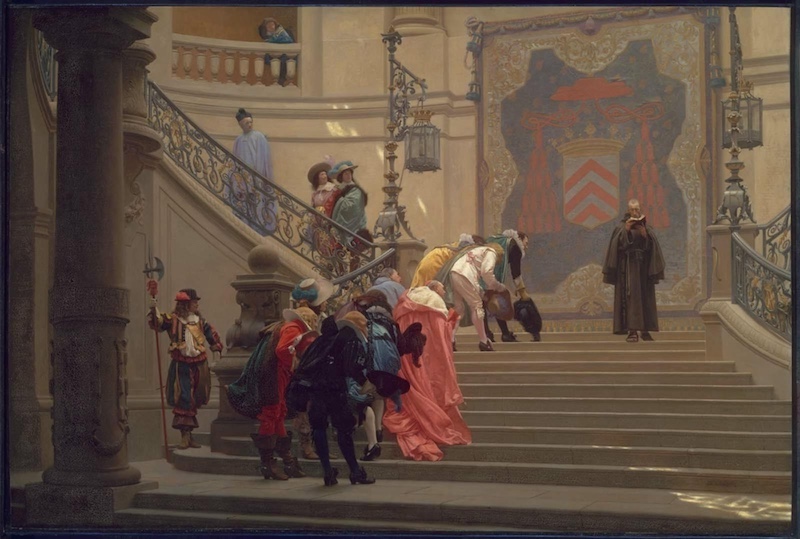
What was the Paris Salon?
Started in 1667, The Paris Salon was sponsored by the French Government and considered the most prominent cultural event in France. The Salon’s annual exhibition would attract over half a million people to Paris to view the artworks. Admittance into the Salon could make an artist’s career.
By the 1860s, The Salon’s jury was extremely conservative in its acceptance of art. It did not want stylistic innovation, but favored dramatic painting depicting biblical, mythological and historical stories on monumental canvases. While these works can be showstoppers, they did not resonate with public sentiment, which was leaning more towards realism. It was out of this climate of artistic rejection and politics, Impressionism was born.
While it’s easy to hold a contempt for the Salon given our modern understanding of art and appreciation of Impressionism, I also think it is important to put yourselves in the shoes of artists who were popular with The Salon. I have a great appreciation for works by Gerome, which combine mythical elements with realism and invite you into a story. Many of the Salon works from 1874, I admire and appreciate the artists. What was wrong with the Salon was the lack of acceptance of newer styles with the old.
Part of this was to protect artists and ensure they were supported, but the Salon became increasingly unsupportive of innovations in art. It at times could feel as though you were following a script and working only as a copyist, instead of creating something new. This was the spark that created division.
*Fun fact: Though Gerome never embraced Impressionism, he actually taught many artists that would help define modern art movements including Mary Cassatt and Odion Redon.
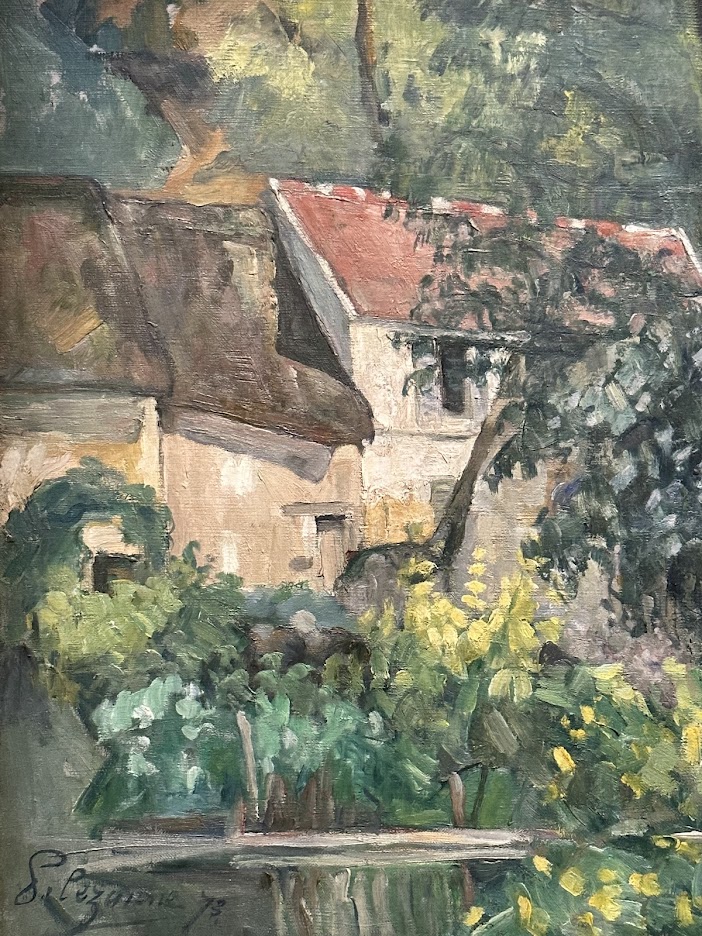
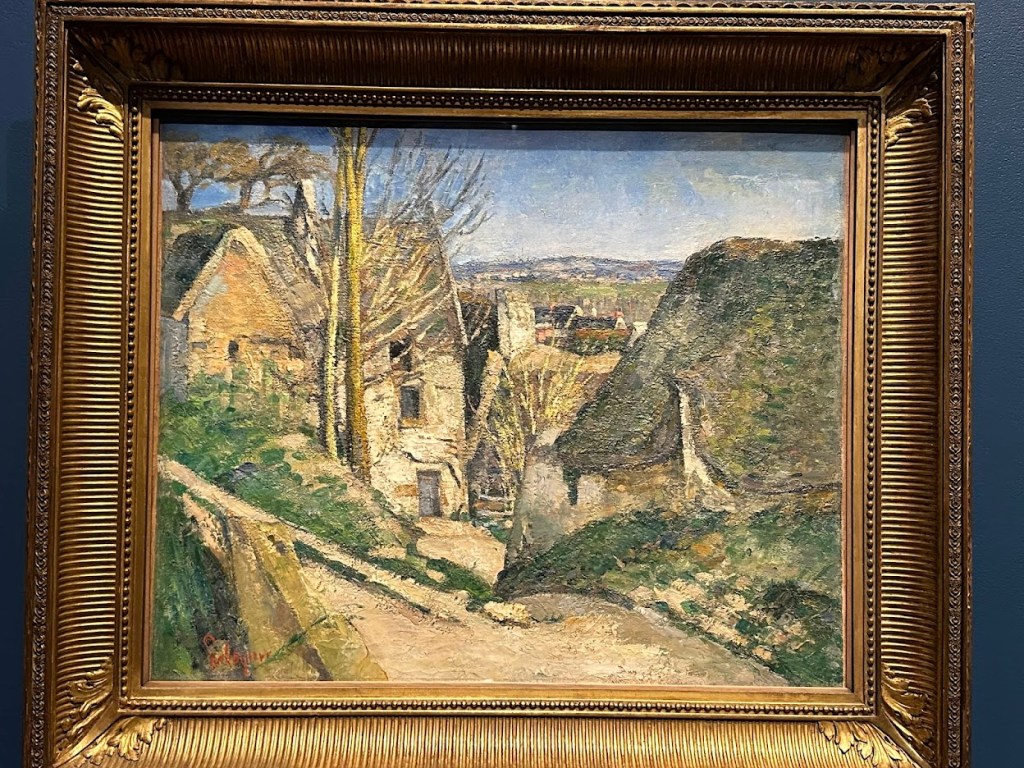
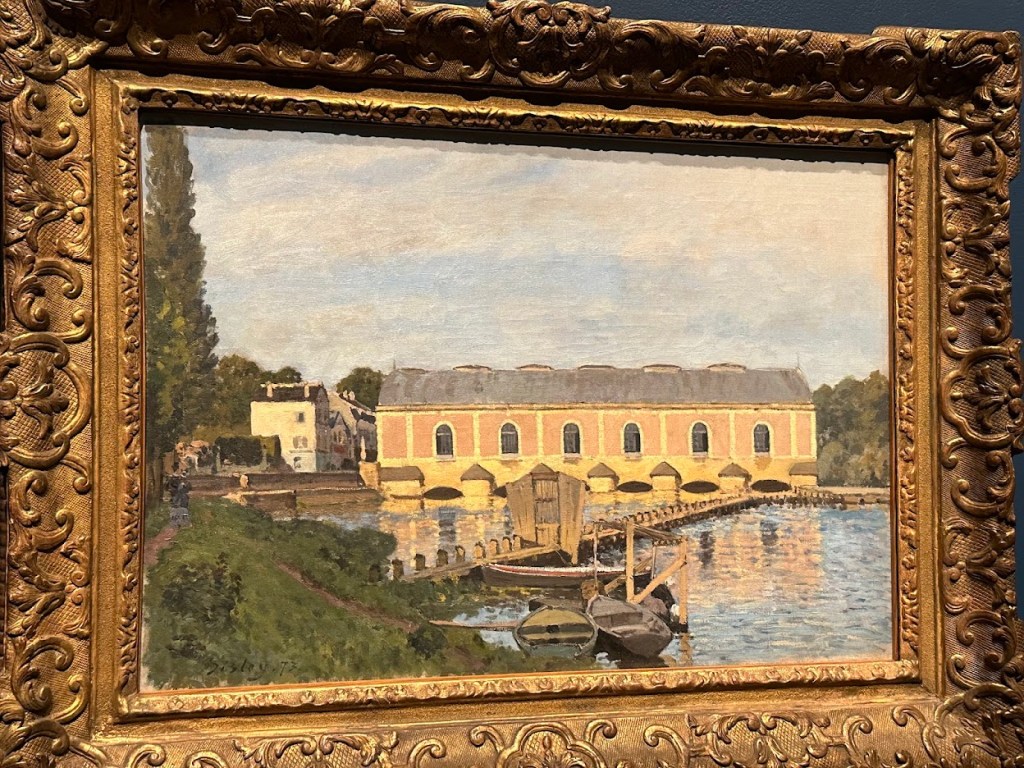
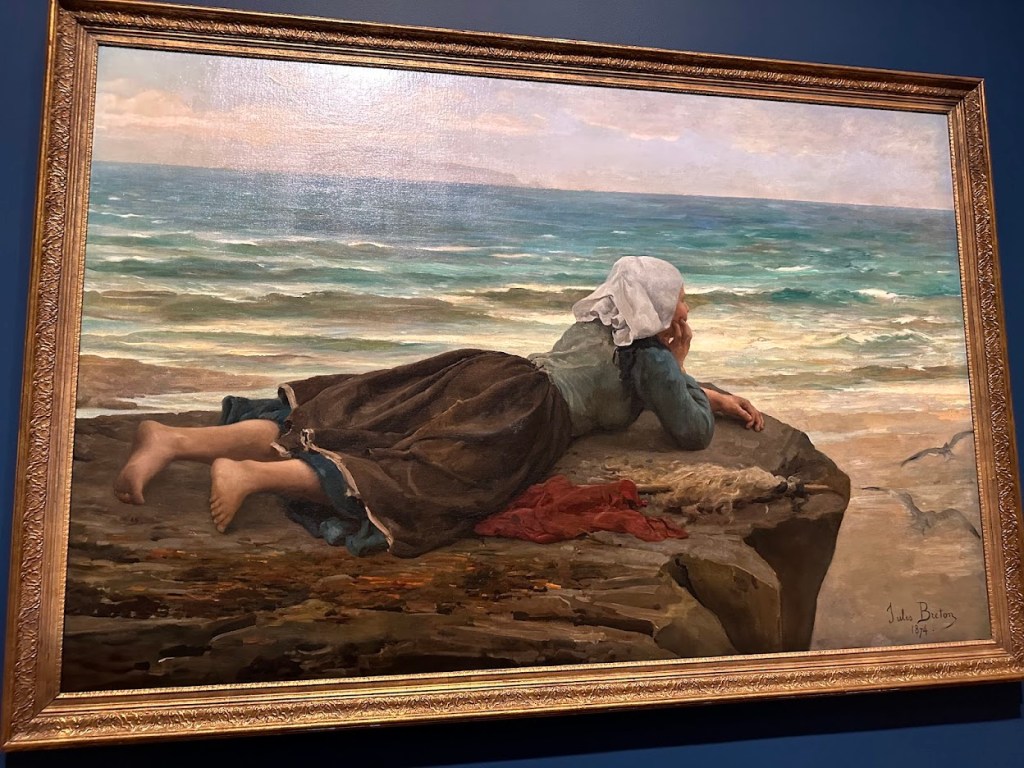
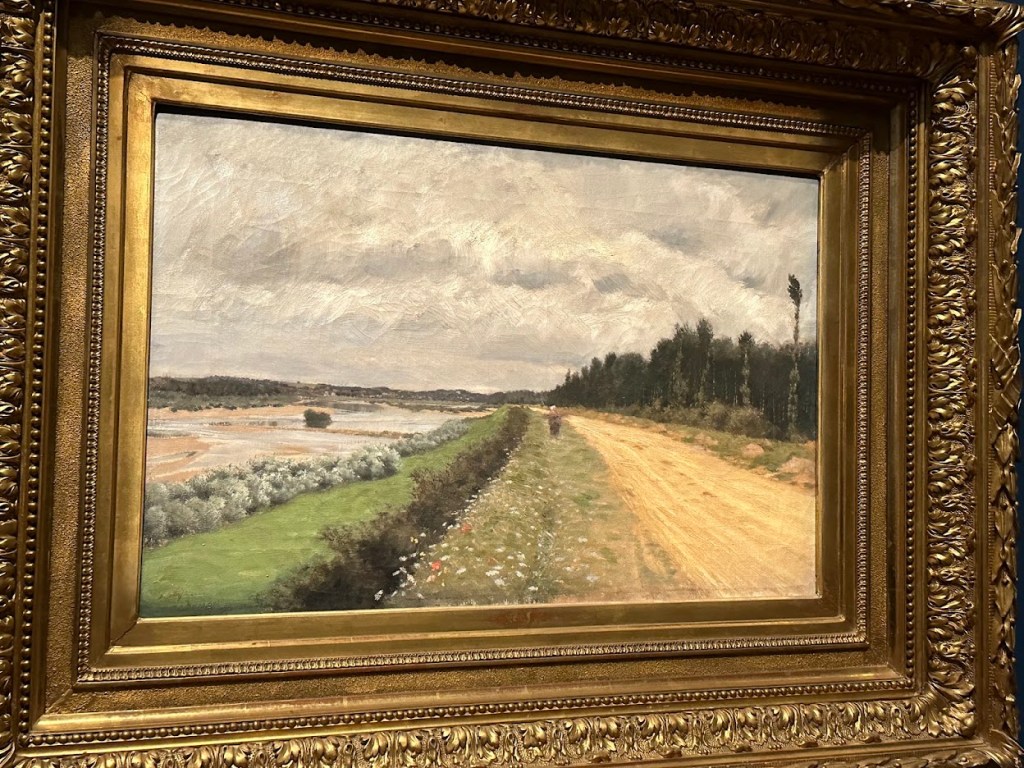
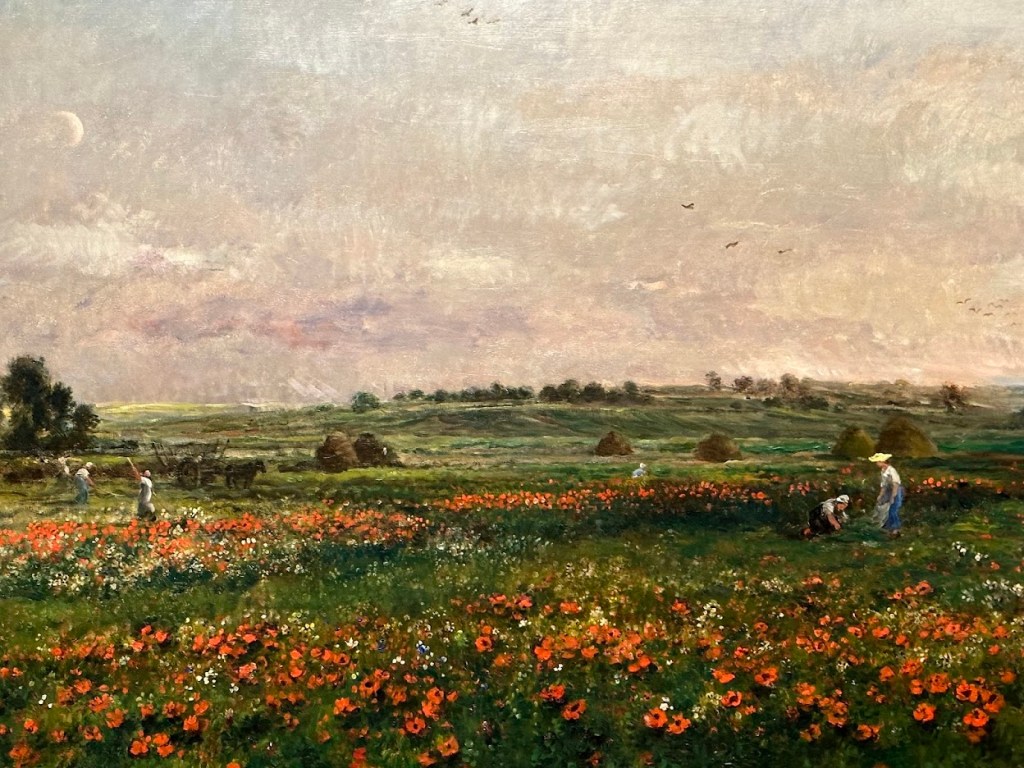
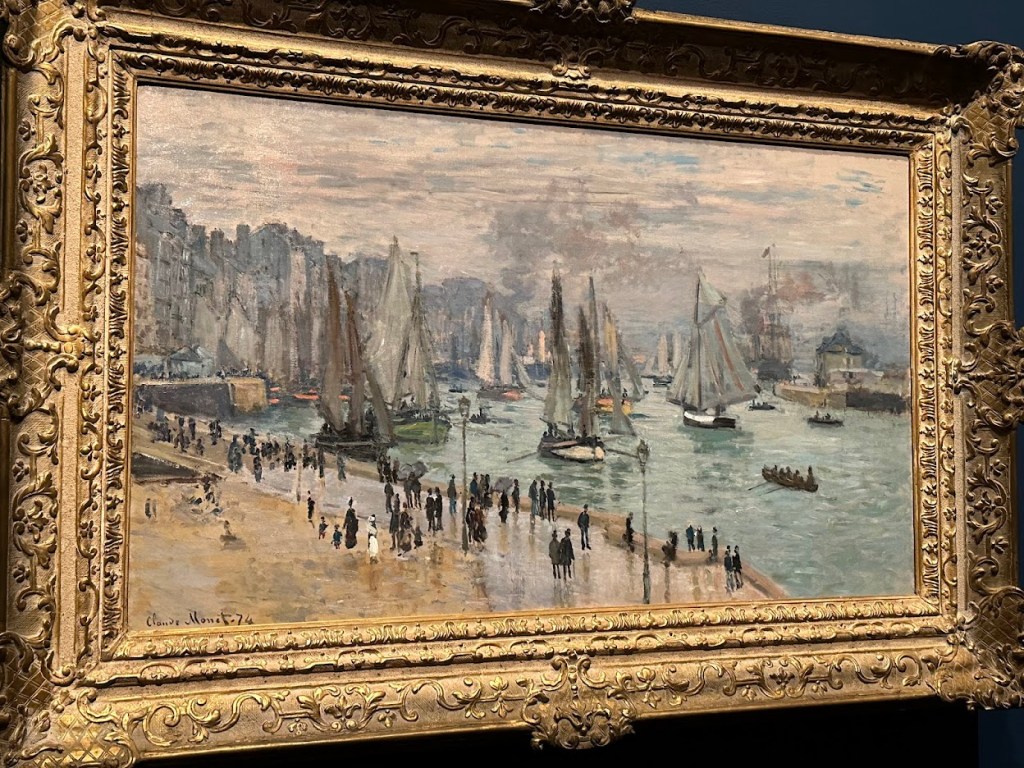
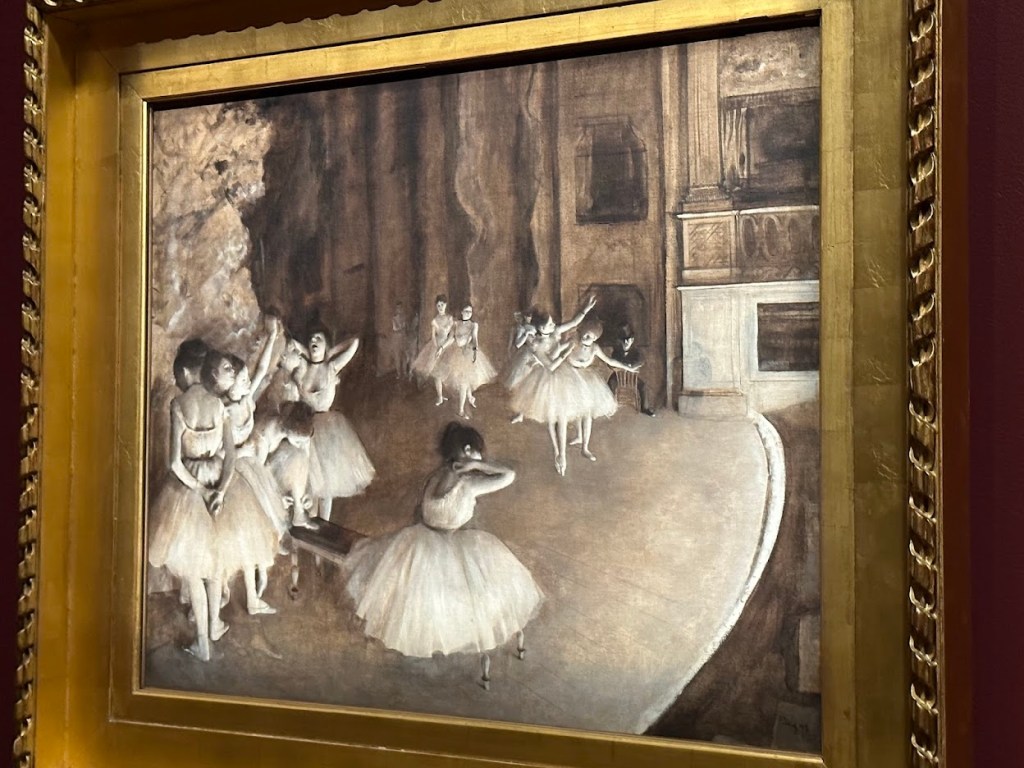
I was blown away by this exhibit and so grateful to have had the opportunity to visit. It was well work waiting in line for an hour to see this fantastic collection. Here are a few highlights.
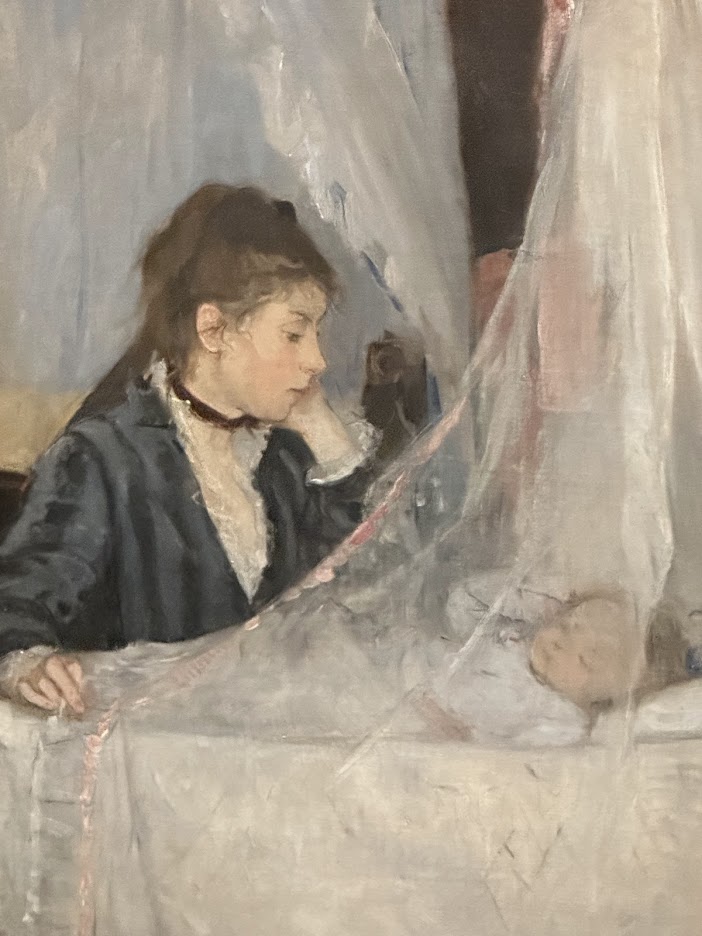
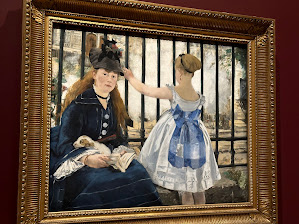
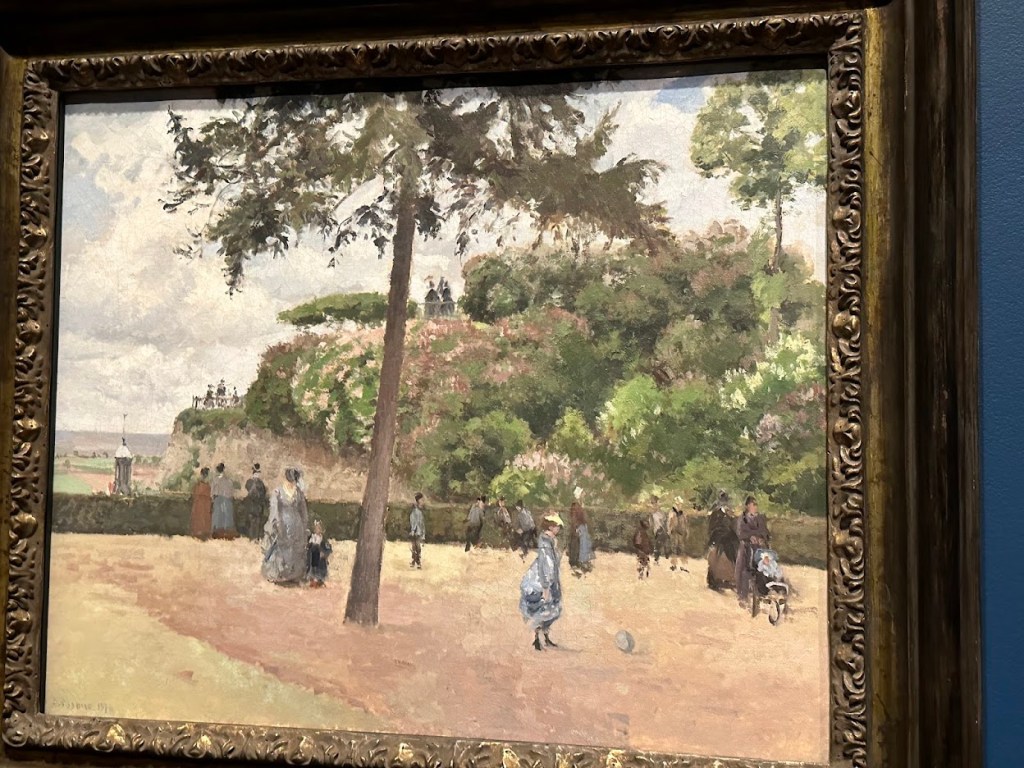
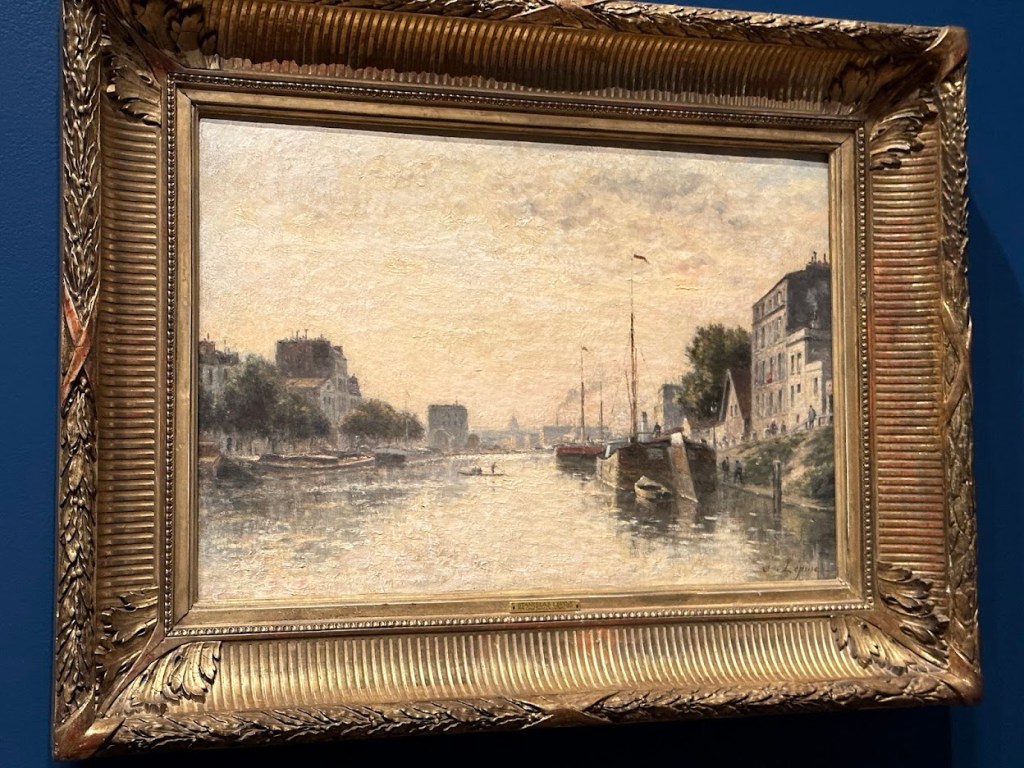
Artists that participated in the original 1874 Impressionist Exhibition:
- Zacharie Astruc
- Antoine-Ferdinand Attendu
- Édouard Béliard
- Eugène Boudin
- Félix Bracquemond
- Jacques Émile Édouard Brandon
- Pierre-Isidore Bureau
- Adolphe-Félix Cals
- Paul Cézanne
- Gustave-Henri Colin
- Louis Debras
- Edgar Degas
- Armand Guillaumin
- Louis Latouche
- Ludovic-Napoléon Lepic
- Stanislas Lépine
- Léopold Levert
- Comtesse de Luchaire
- Alfred Meyer
- Auguste de Molins
- Claude Monet
- Berthe Morisot
- Émilien Mulot-Durivage
- Giuseppe De Nittis
- Auguste-Louis-Marie Ottin
- Léon-Auguste Ottin
- Camille Pissarro
- Pierre-Auguste Renoir
- Léopold Robert
- Henri Rouart
- Alfred Sisley
While the 1874 exhibit is closing soon, you can still learn more about it online from the following resources:
 Art Expeditions
[…] About the Exhibit: You can read a detailed post about the exhibition, Paris 1874: The Impressionist Moment on our sister blog ‘Art Expeditions.’ Click here. […]
LikeLike
[…] As an amateur artist, Impressionism and Post-Impressionism have influenced my own painting style the most. I love the vivid landscapes and use of rich colors to create an ‘impression’ of a setting. In January of 2025, my mom and I were able to visit the 1874 Impressionist Exhibition in Washington DC at The National Gallery, which recreated the original Impressionist exhibit of 1874. You can read more about the history of Impressionism and the exhibit on my Art Expeditions blog. […]
LikeLike